Free to Be Ourselves
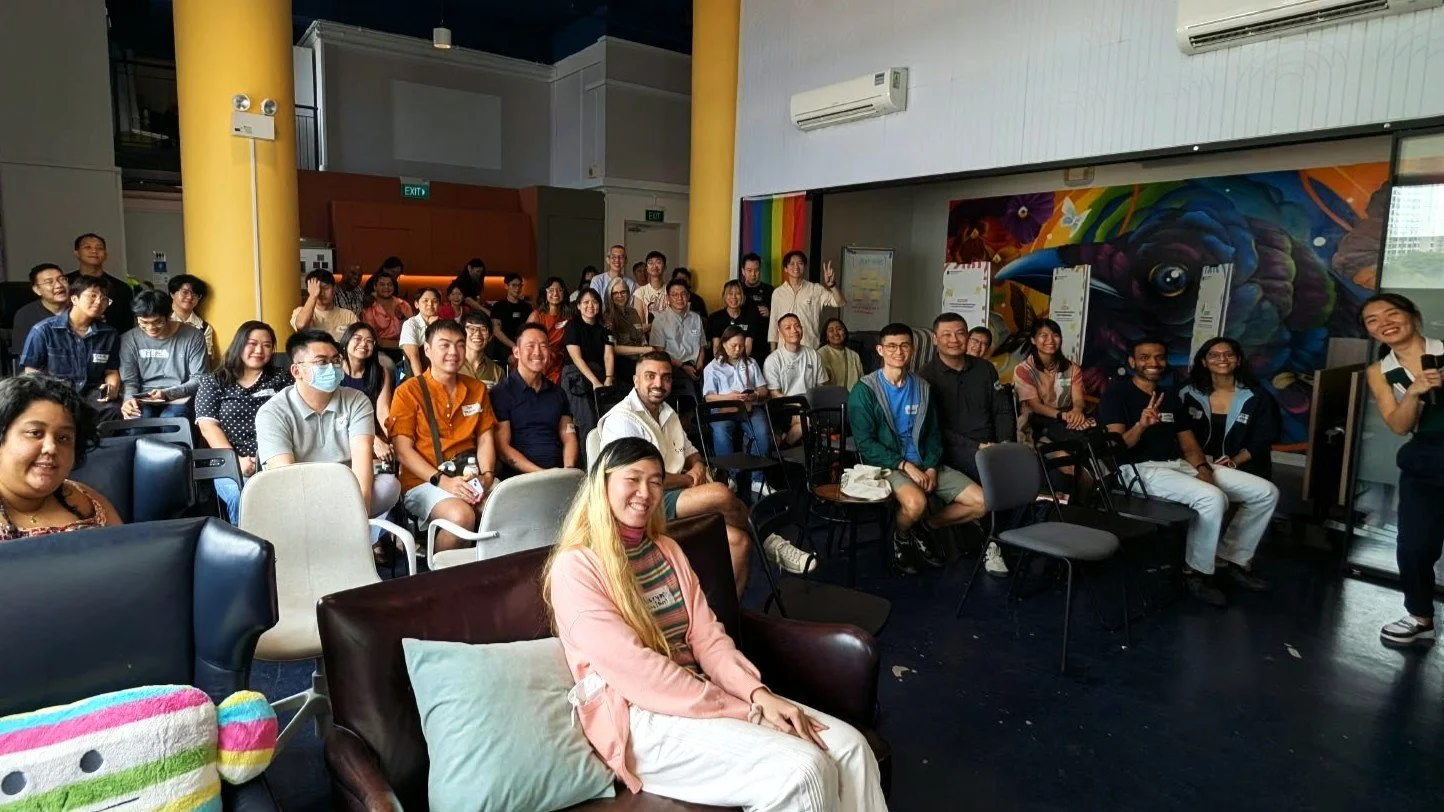
Launch of the Queer-Affirming Therapy Code of Practice at Proud Spaces, 10 October 2026. Photo used with permission from Colin Toh.
On 10 October 2026, I attended the launch of the Queer-Affirming Therapy Code of Practice at Proud Spaces. It is a thoughtful and practical document that turns the promise of affirming care into clear professional responsibilities.
It sets out what queer and trans clients should be able to expect from therapists: respect for their identities, a rejection of efforts to change or suppress them, an understanding of how stigma and exclusion can affect mental health, and respect for clients’ voices and choices.
The Code also gives language to a reality many LGBTQ+ people have had to navigate: cisheteronormativity.
Put simply, this is the assumption, woven into everyday life, that everyone is or ought to be cisgender and heterosexual, and that these lives are the natural centre around which all other lives must arrange themselves. It can shape families, workplaces, faith communities, public services, and even therapy, often without deliberate ill will.
When life is organised around these assumptions, LGBTQ+ people can face a continual double bind: speak openly and risk rejection, or stay silent and never feel fully accepted. You learn when to change a pronoun, which parts of your weekend to leave out, and whether it is safe to speak about someone you love. Over time, that constant vigilance can leave people lonely and guarded, even when they appear capable and composed.As a gay man and a psychotherapist, I recognise something of this effort in both my own life and my work.
Our sexuality or gender is never the whole of who we are. But neither should it have to be hidden or disowned in order for us to receive care. People come to therapy with questions about love, work, faith, ageing, family, grief, and belonging. They deserve to be met as whole people.
This is also why tolerance is not the same as acceptance. Tolerance may allow someone’s presence without making room for their whole story. In therapy especially, clients need more than the absence of judgement. They need a relationship in which they can speak honestly, retain their sense of agency, and explore their lives without being steered towards a predetermined conclusion.
The parable of the Good Samaritan reminds me that we become neighbours when we are willing to cross the road for one another, look into one another’s eyes, and recognise that we belong to the same human family.
For friends who are cisgender and heterosexual, this does not have to begin with perfect knowledge or language. It can begin with listening with curiosity, asking rather than assuming, using the names and pronouns someone gives you, and recognising the relationships and families they cherish. It also means remaining open when someone’s life differs from what you expected.
I have adopted the Code in my practice, not as a claim that I have arrived, but as an ongoing commitment to reflection, learning, and accountability. Like everyone else, therapists bring our own histories and assumptions into the room. Affirming practice means being willing to notice them, seek guidance, and repair our mistakes.
If you are a gay man who has grown accustomed to hiding parts of yourself, you are welcome to bring those experiences into therapy with me. Your hopes, dreams, and fears deserve to be heard with respect and understanding. There is room for uncertainty, and for exploring what matters to you at your own pace.
Thank you to the workgroup from Queer Therapists of Singapore and Oogachaga, and to the community members who helped shape this initiative.
Read about the Code:
https://queeraffirmingsg.carrd.co/
